
Depreciation is used for tangible assets such as buildings, machinery, and equipment. The purpose of depreciation is to reflect the gradual loss of value of these assets over time due to wear and tear, obsolescence, and other factors. Depreciation is a crucial concept in accounting that affects various industries differently. Manufacturing companies, real estate companies, new technology companies, and capital investments all use different methods to depreciate their assets. Understanding the different methods of depreciation is essential for accurate financial reporting and decision-making. There are several methods of depreciation that a company can use to allocate the cost of an asset over its useful life.
See why Netgain is trusted by thousands of accounting teams

A depreciation expense represents the portion of an asset’s cost that is allocated as an expense in a specific accounting period, reflecting its gradual loss of value. This expense appears on the income statement and helps match the asset’s cost to the revenue it generates. In this blog, we are going to talk about the accounting entry for depreciation, how to calculate depreciation expense, and how to record a depreciation journal entry.

Step 4: Create the Depreciation Journal Entry
- The Maker Checker Workflow adds to the efficiency of the financial close process by segregation of responsibilities and enabling the monitoring of priority tasks.
- This net amount represents the asset’s remaining value after accounting for depreciation.
- Depreciation is an important concept in accounting that reflects the reduction in the value of an asset over time.
- This method spreads the cost of the equipment over its useful life, resulting in a constant depreciation expense each year.
- It is recorded in both the balance sheet and the income statement and has an impact on the net income and cash flow of a company.
For example, they treat an asset purchased on any day of Cash Flow Management for Small Businesses the month as if it were purchased on the 15th day of the month. An asset purchase on September 1 would result in 3½ months of depreciation for that first year of service. In this method, the value of the asset is recorded as the net amount in the balance sheet.
Journal Entry for Purchases (Credit)
Now, consider an example to illustrate the straight-line method depreciation for a fixed asset. Now, to calculate the depreciation expense for year 2, we will need to determine the new book value of the asset as well. According to the straight-line depreciation method, the depreciation expense journal entry depreciation expense will be $1,000 per year.

They can also advise if a purchase should be treated as an expense or an asset in the accounting system. When an asset is finally retired, a journal entry is made to remove the asset from the accounting system. This is done assets = liabilities + equity by debiting the Accumulated Depreciation account and crediting the applicable Asset account. The depreciable cost must be determined before the end of the first year of the asset’s life when a depreciation schedule needs to be created. I recommend consulting with your CPA or financial advisor regarding depreciation of newly-purchased assets. Another important concept is the difference between book value and market value.
- The accounts to be affected by this adjustment are the accumulated depreciation and depreciation account.
- The company estimates that the equipment has a useful life of 5 years with zero salvage value.
- To calculate the straight-line depreciation expense of this fixed asset, the company takes the purchase price of $100,000 minus the $30,000 salvage value to calculate a depreciable base of $70,000.
- This account is used to accumulate the total depreciation throughout the life of an asset.
- Depreciation expense is, as the name implies, an income statement account (those entries are not shown above).
Apart from this, businesses need to understand where and how the entries go on financial statements, and the depreciation method they should use. A depreciation journal entry records the reduction in value of a fixed asset each period throughout its useful life. These journal entries debit the depreciation expense account and credit the accumulated depreciation account, reducing the book value of the asset over time. When a fixed asset is purchased, it is initially recorded on the balance sheet as an asset. As the asset is used over time, it begins to lose value, which is reflected in the depreciation expense.
The Accounting Equation
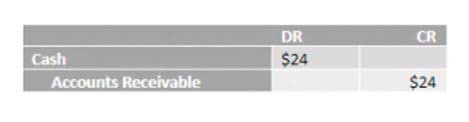
At the end of each accounting period, adjusting entries ensure that depreciation expense is recorded accurately. This aligns the financial statements with the actual usage and wear of assets. The accumulated depreciation account shows the total depreciation charged for all fixed assets. It is the total non-cash expense that an entity charges against its fixed asset depreciation.
